
AAE delivers reliable as-built data and structural analysis when records are incomplete or unreliable— helping clients make confident decisions across industries nationwide.
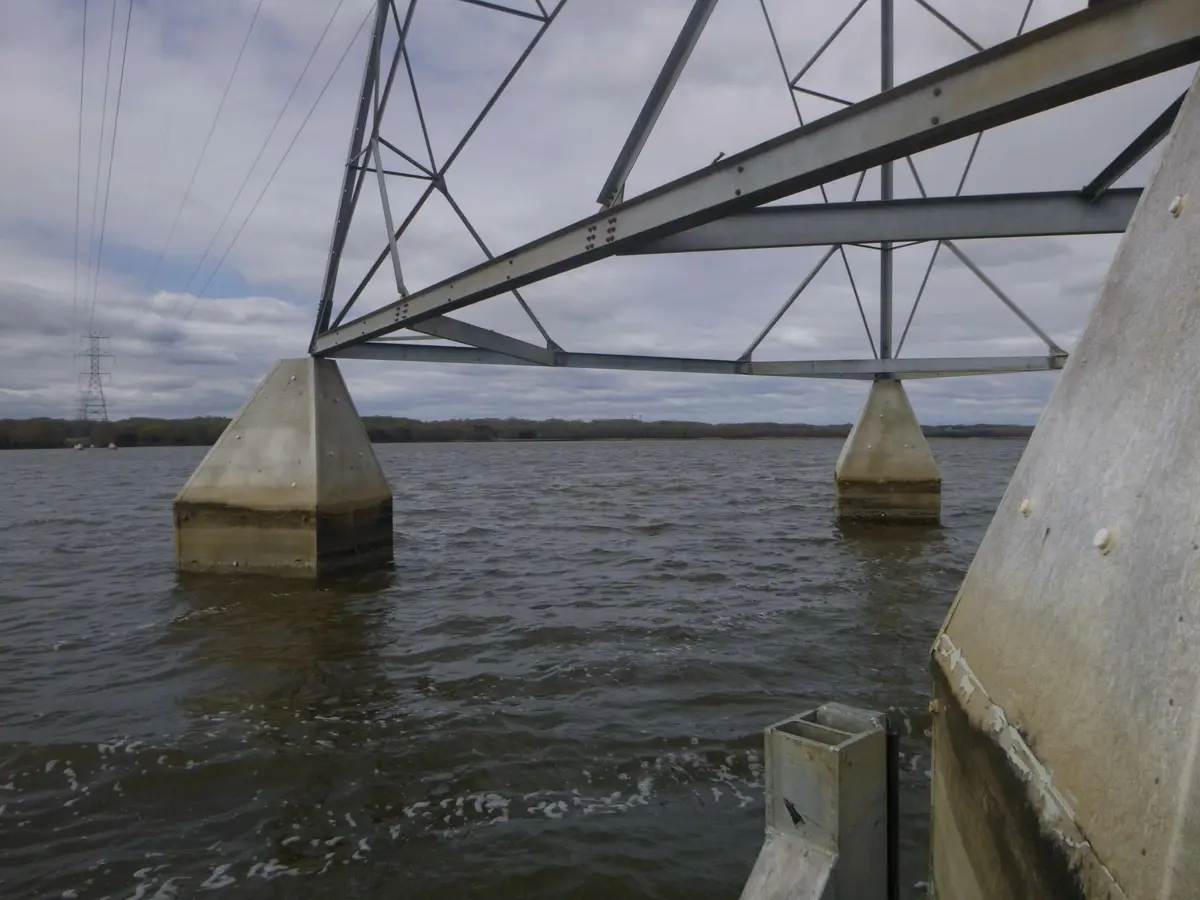
AAE provides information on the as-built foundation geometry, condition, and structural capacity of transmission line foundations when available information may not accurately reflect the as-built condition of a particular foundation.
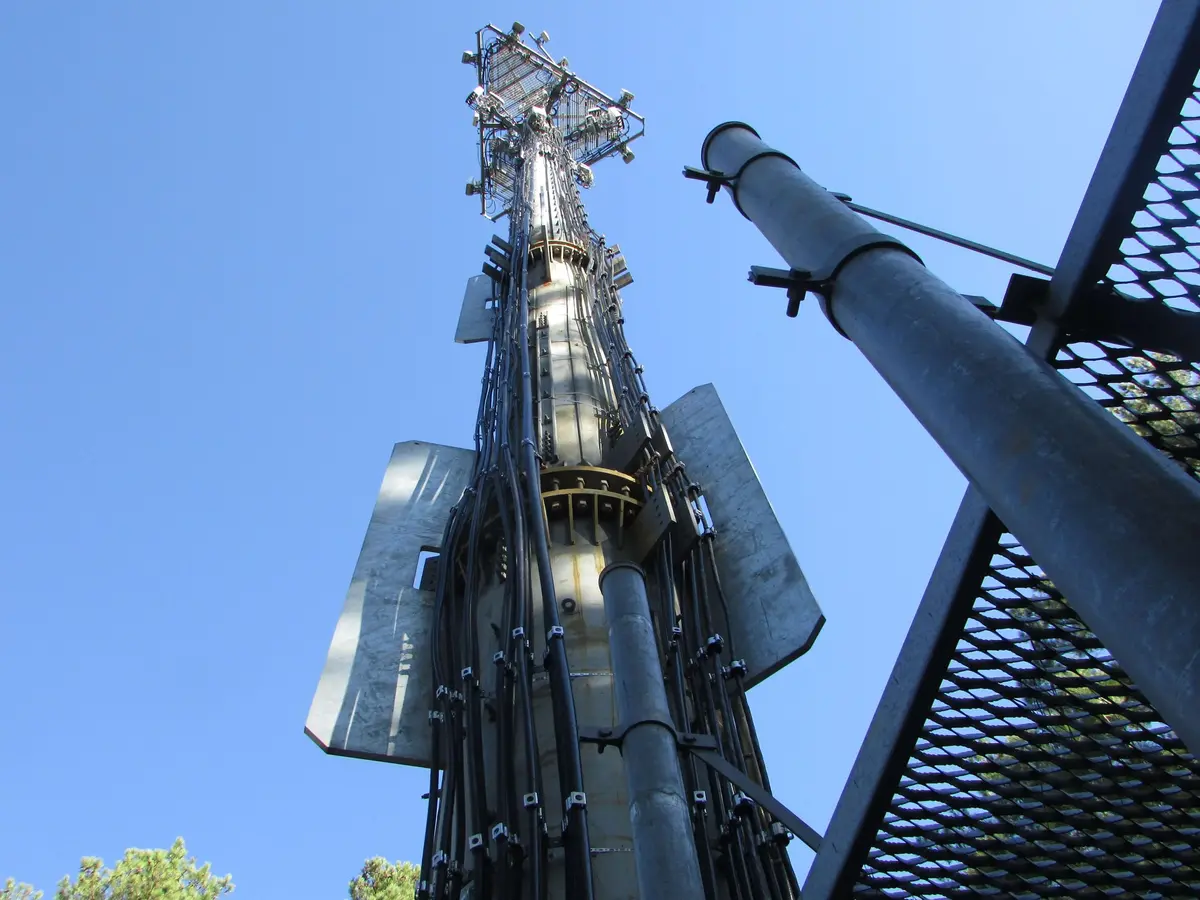
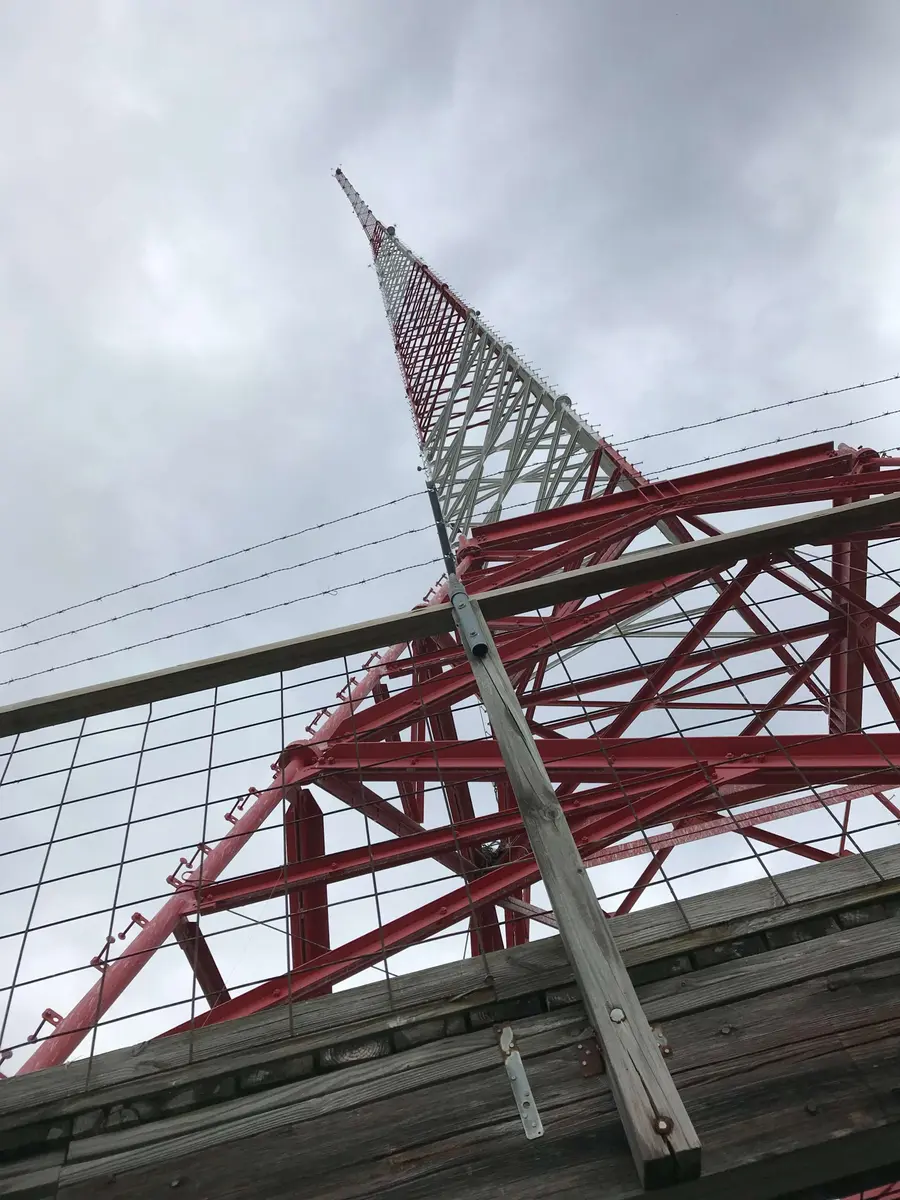
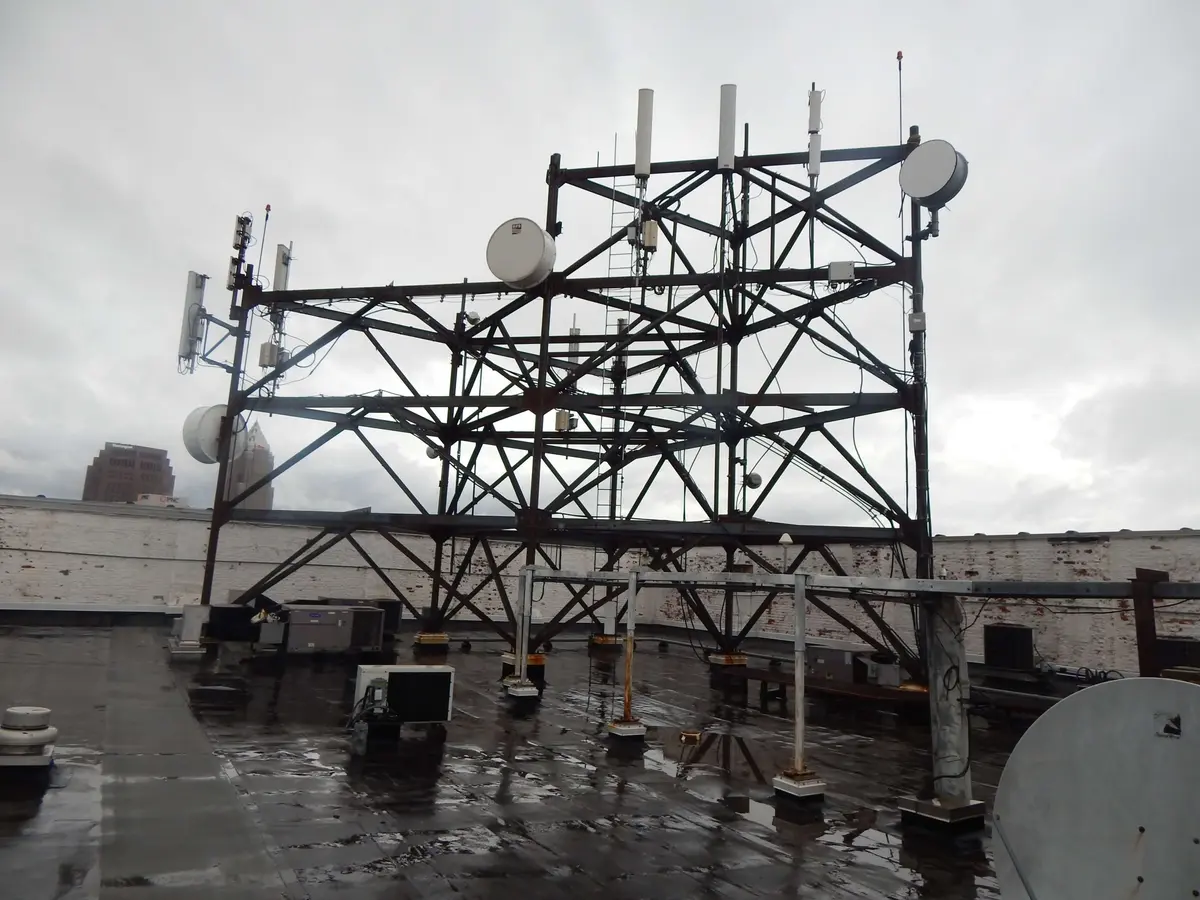
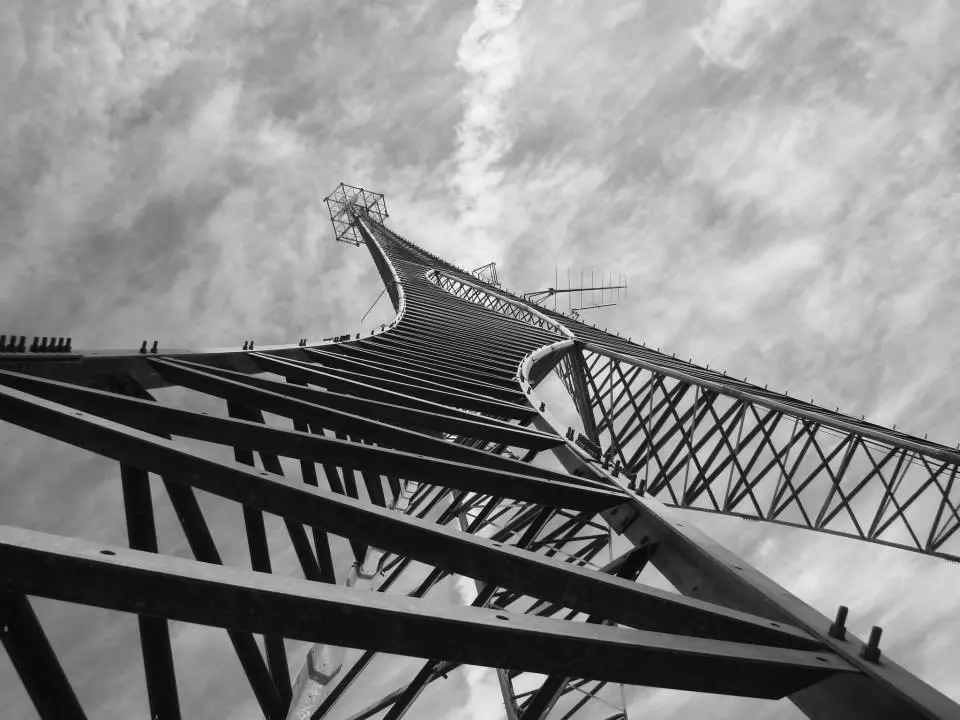
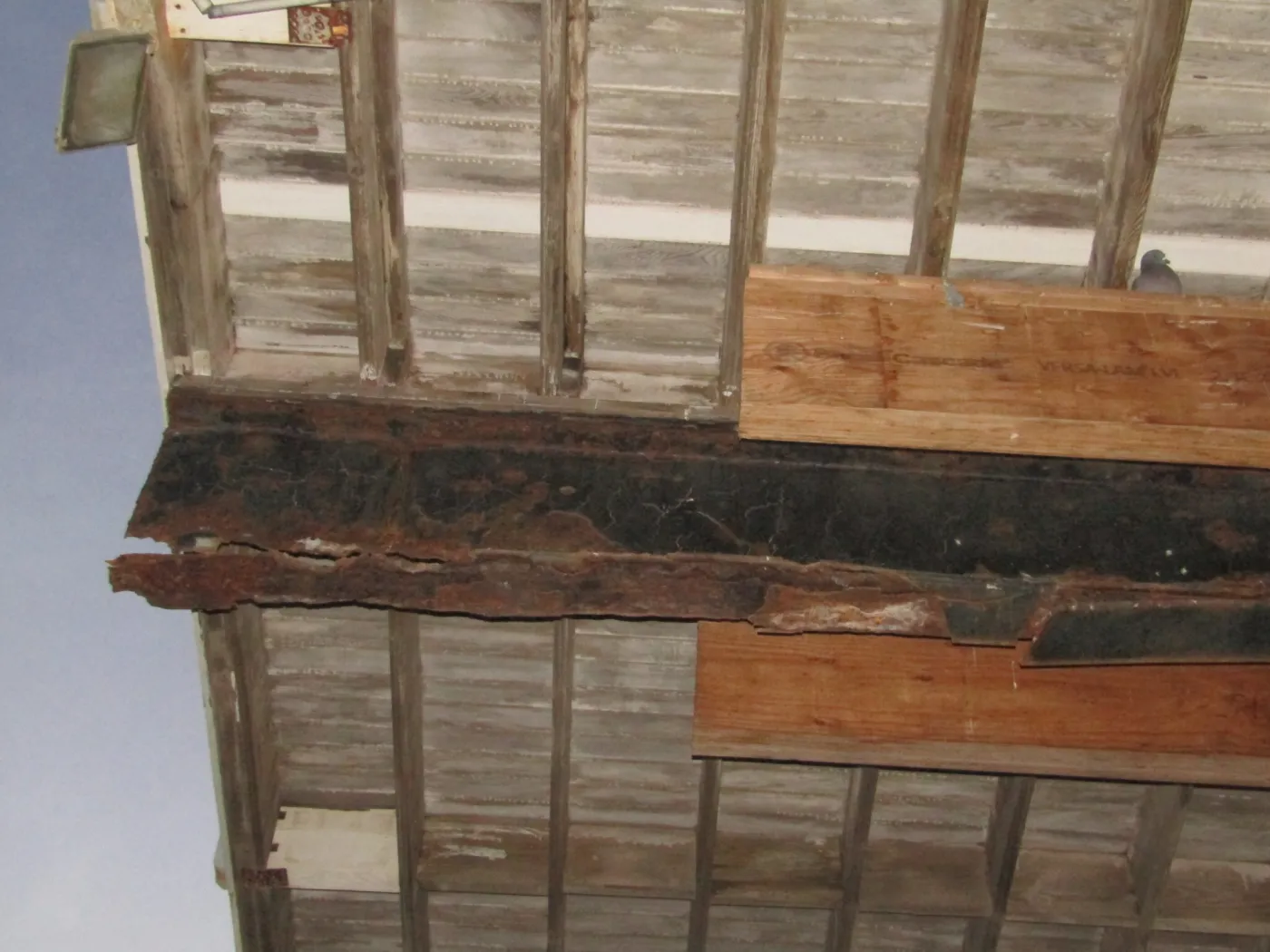
AAE is uniquely qualified to conduct the most difficult and detailed foundation and structure mappings of towers, structures mounted to rooftops, and other specialty structures. AAE also offers structural modification design and analysis of these structures as well as carrier mounts and more.
AAE offers uncompromised quality to the broadcast industry by conducting foundation and structure mappings with a rare level of care. Our attention to detail enables our group to provide the best possible in-field assessments and structural engineering services in an industry where work quality is essential.
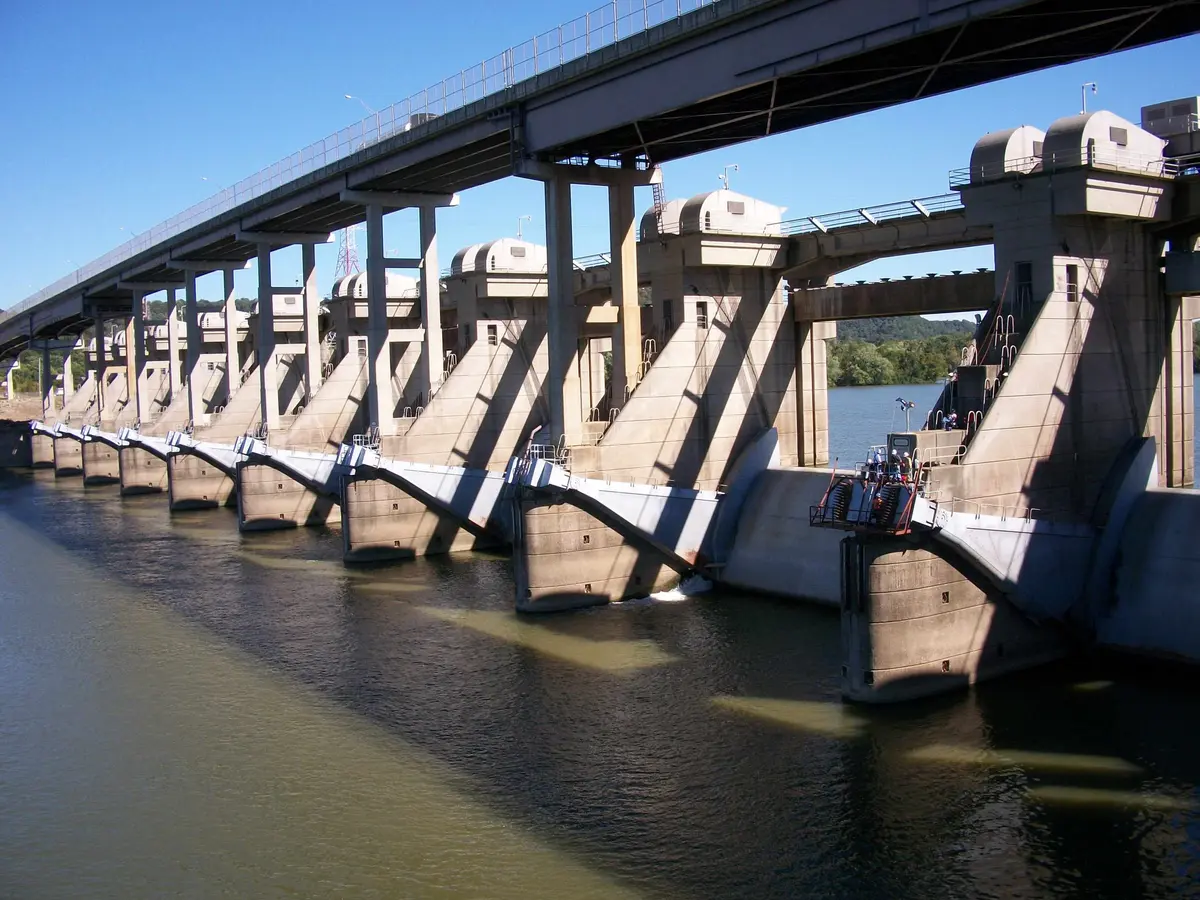
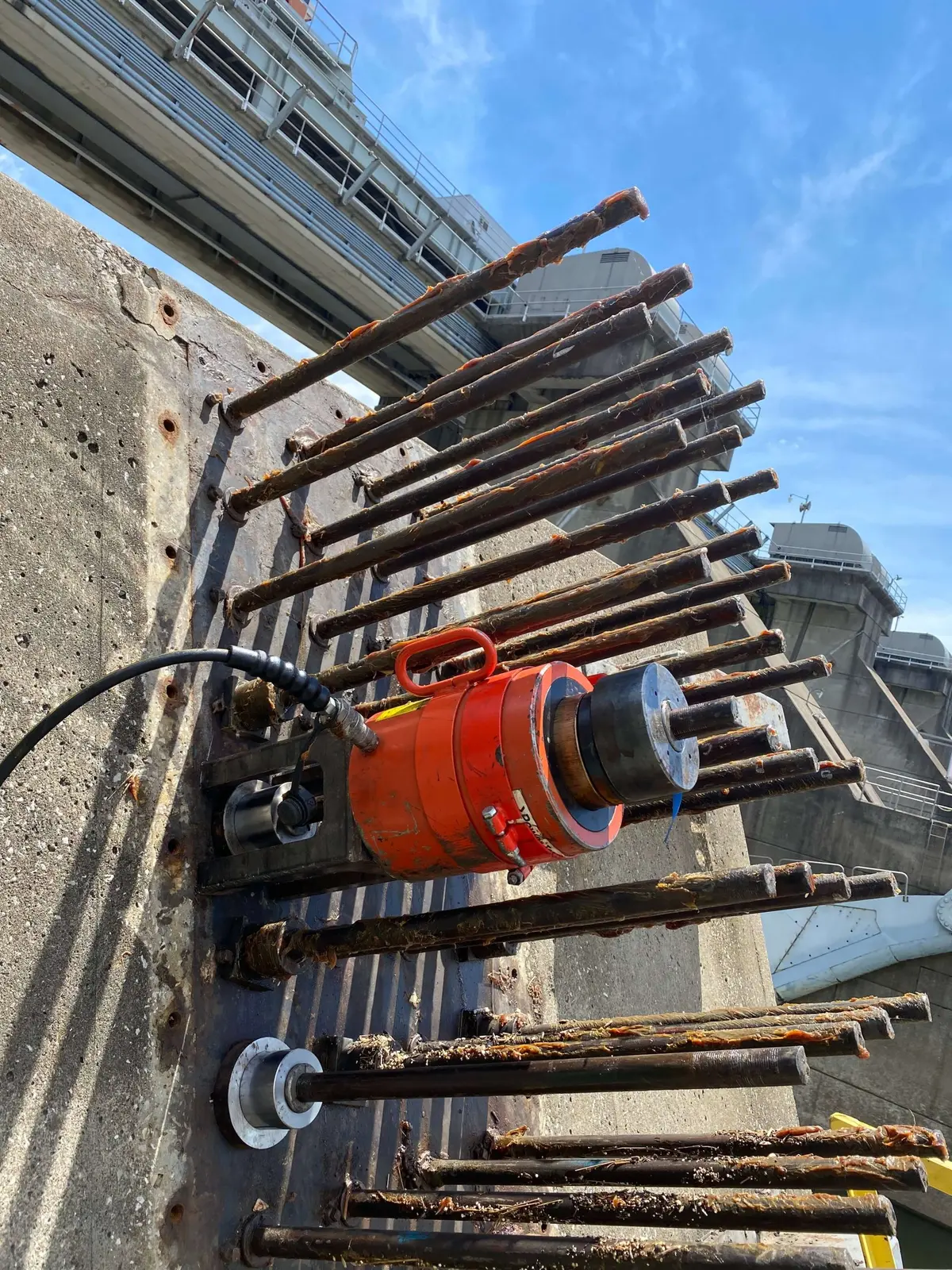
AAE provides trunnion anchor rod condition evaluation and tension testing in Tainter gate-style dams, as well as retensioning operations in order to determine the overall health of the dam’s anchorage for private, municipal, and government owners.
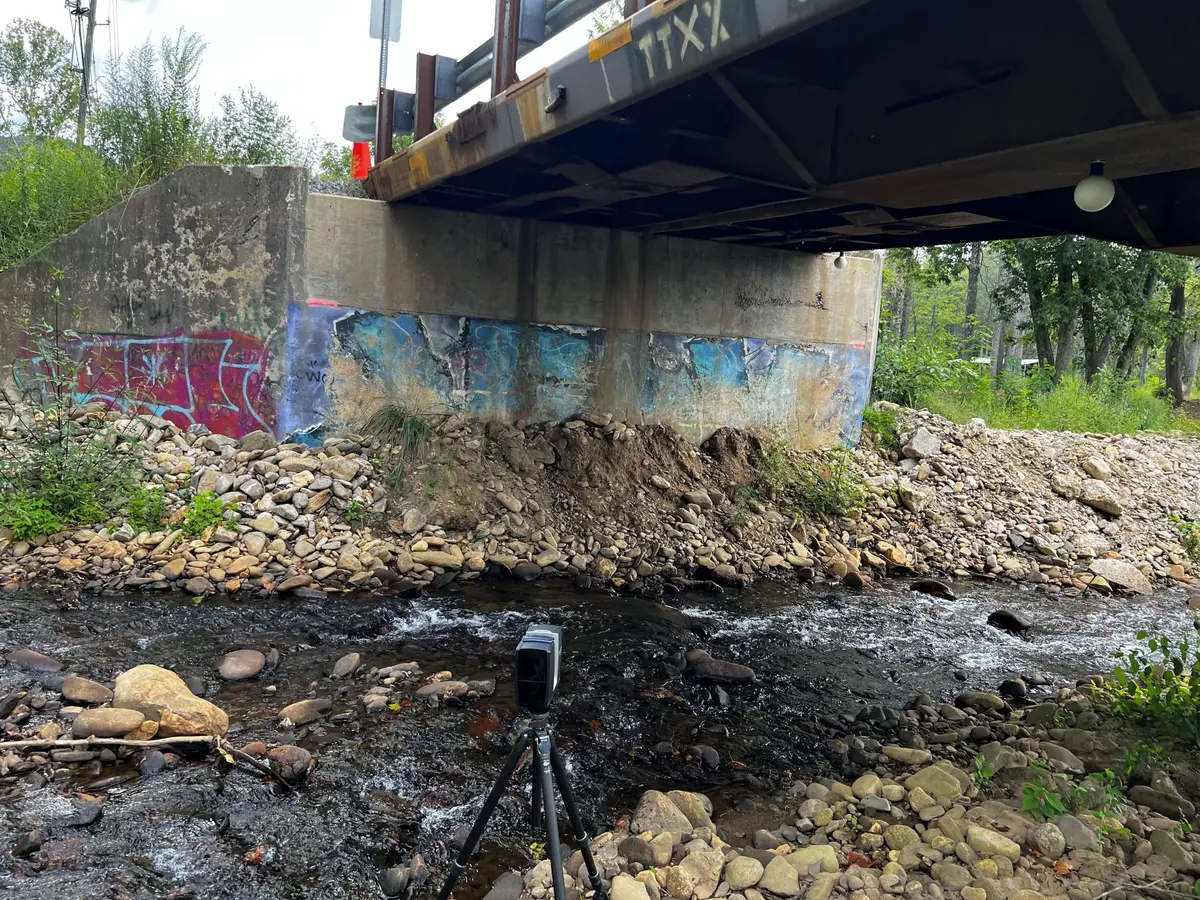
AAE offers a variety of engineering investigations to the US government, such as foundation investigations for depth of bridge piles for state DOTs and trunnion anchor rod evaluation for USACE. We also develop services to capture specific information in support of construction and analysis efforts for government assets.
AAE provides hands-on support to universities and academic institutions through field data collection and laboratory data collection on infrastructure-related projects. Our team is able to collect large amounts complex data that can pose significant challenges to universities when access is limited, or significant time is required off-campus. We enable students and professors to focus on research and modeling efforts while removing some of the challenges of data collection.
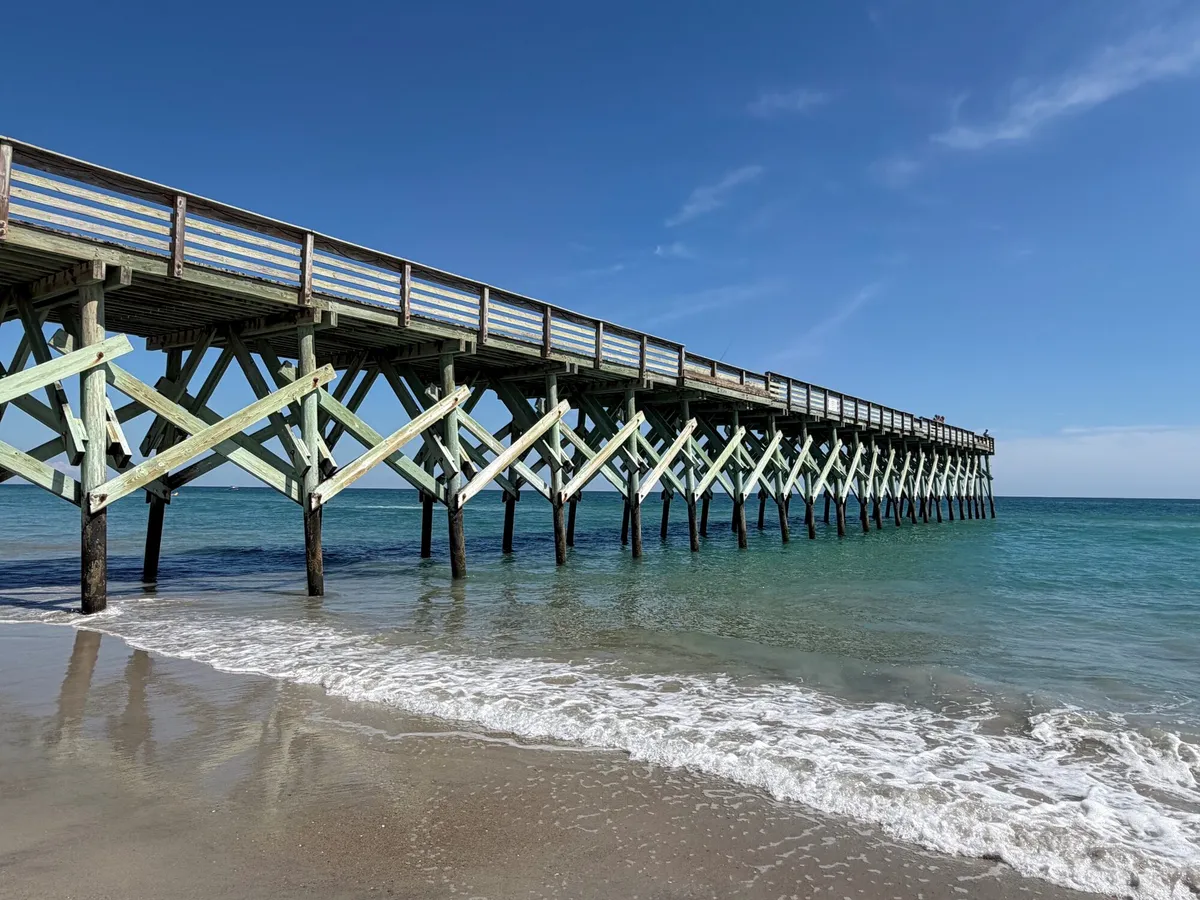
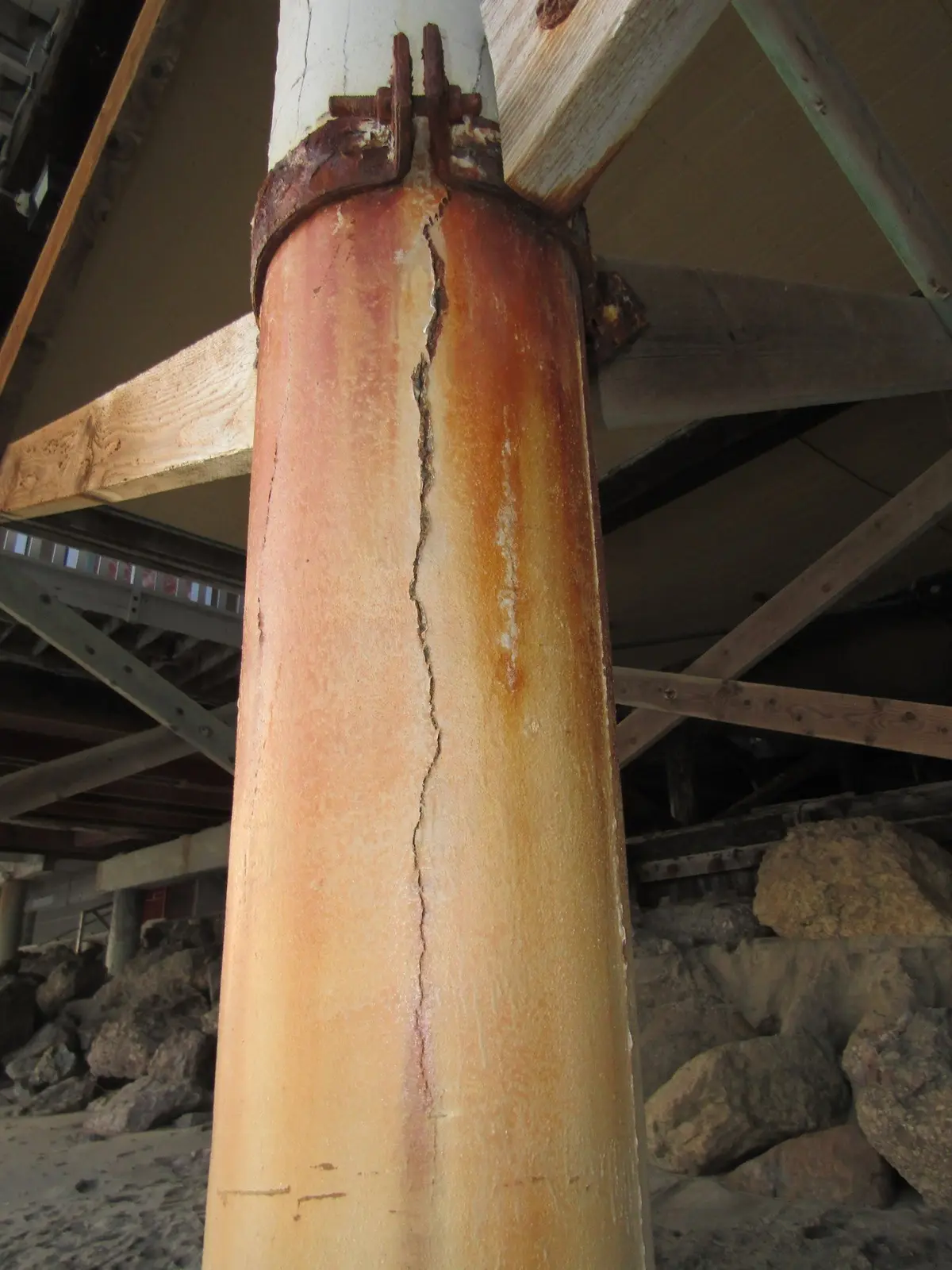
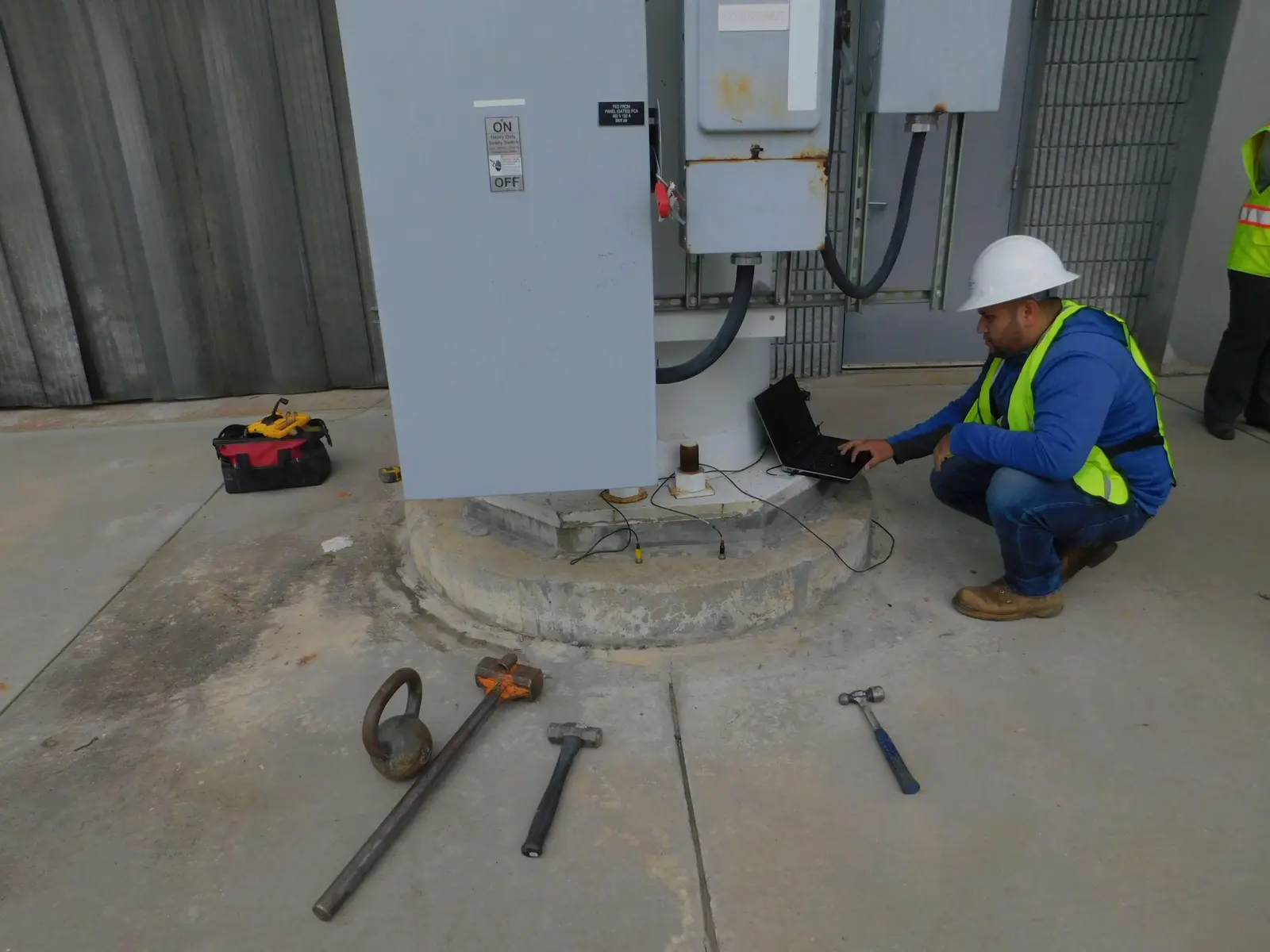
One of AAE’s core offerings is the ability to determine pile length of in-situ steel, concrete, and timber piles in an expedient and cost-effective fashion utilizing dispersive wave testing. We are uniquely able to tailor the application of our technology to a variety of steel and concrete structures to determine depth and condition to aid in construction and revitalization efforts of piers, docks, beach houses, marinas, seawalls, sheet pile walls, and more.
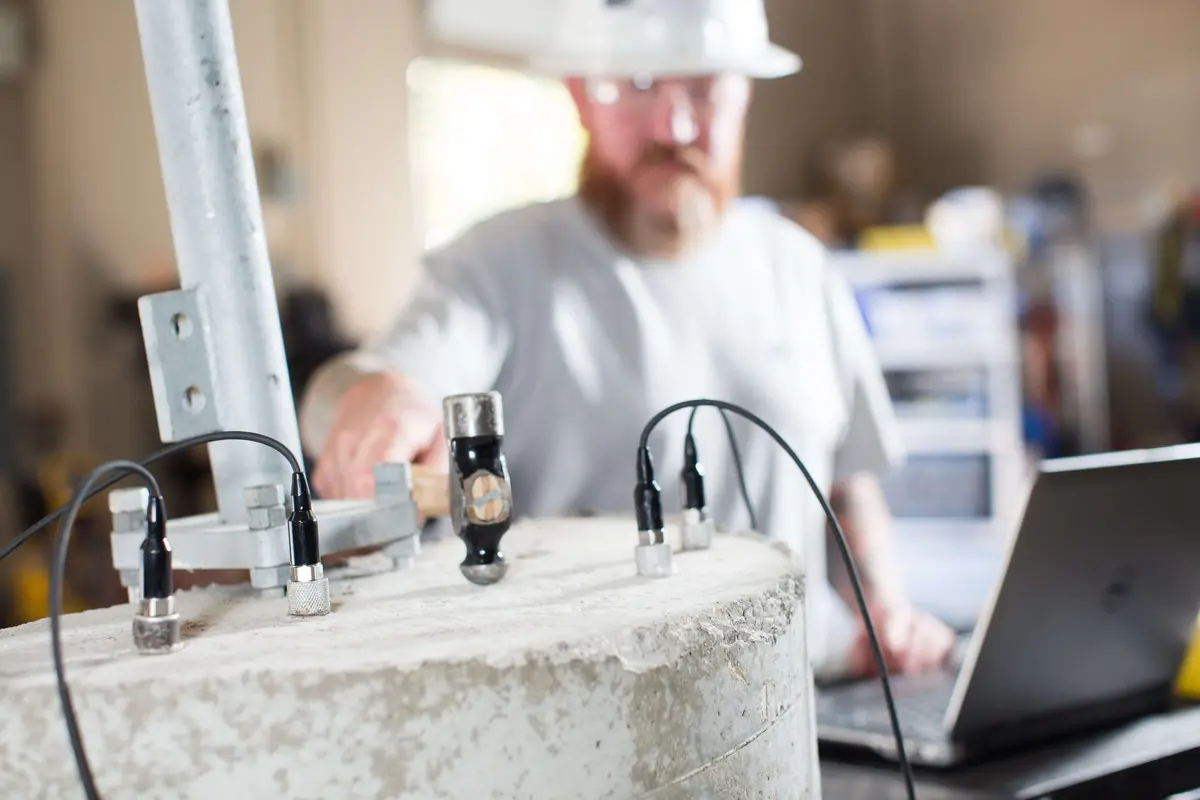
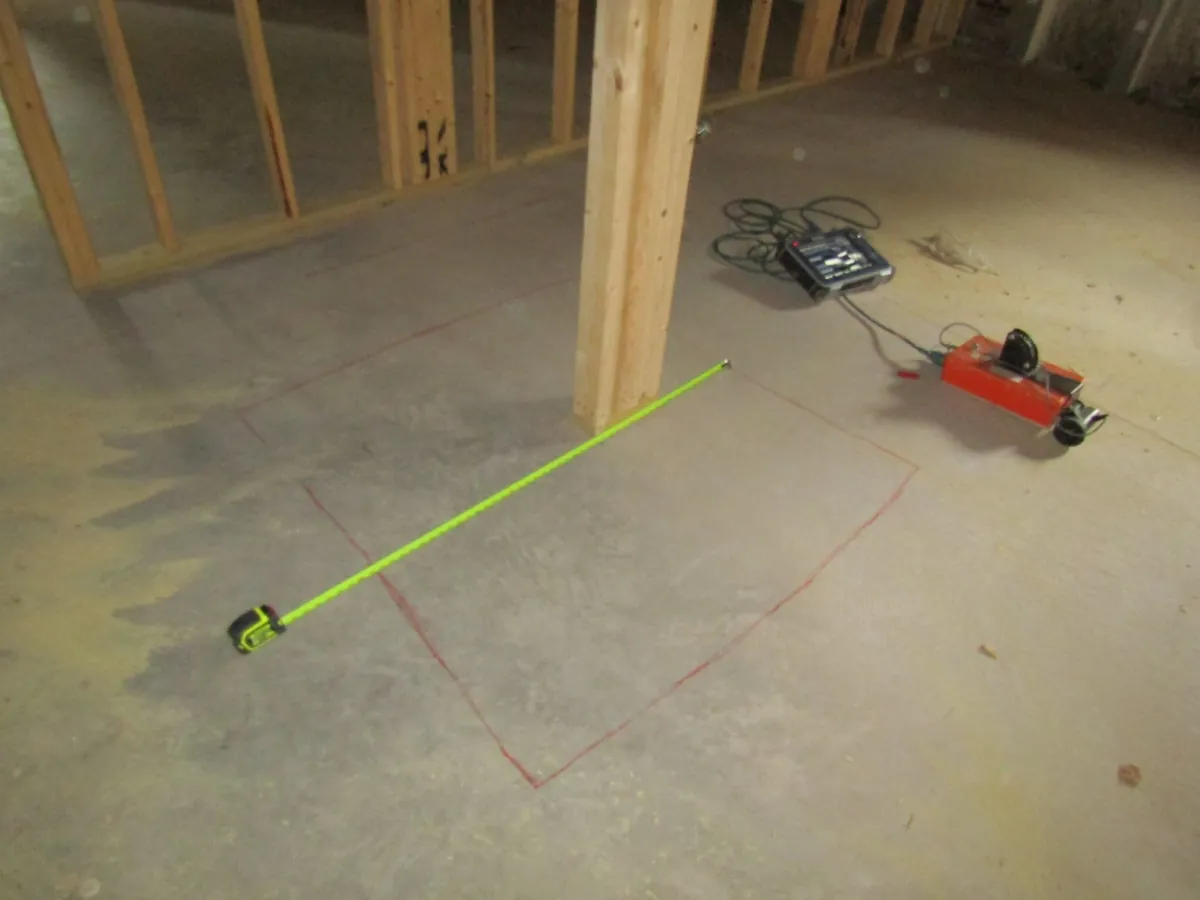
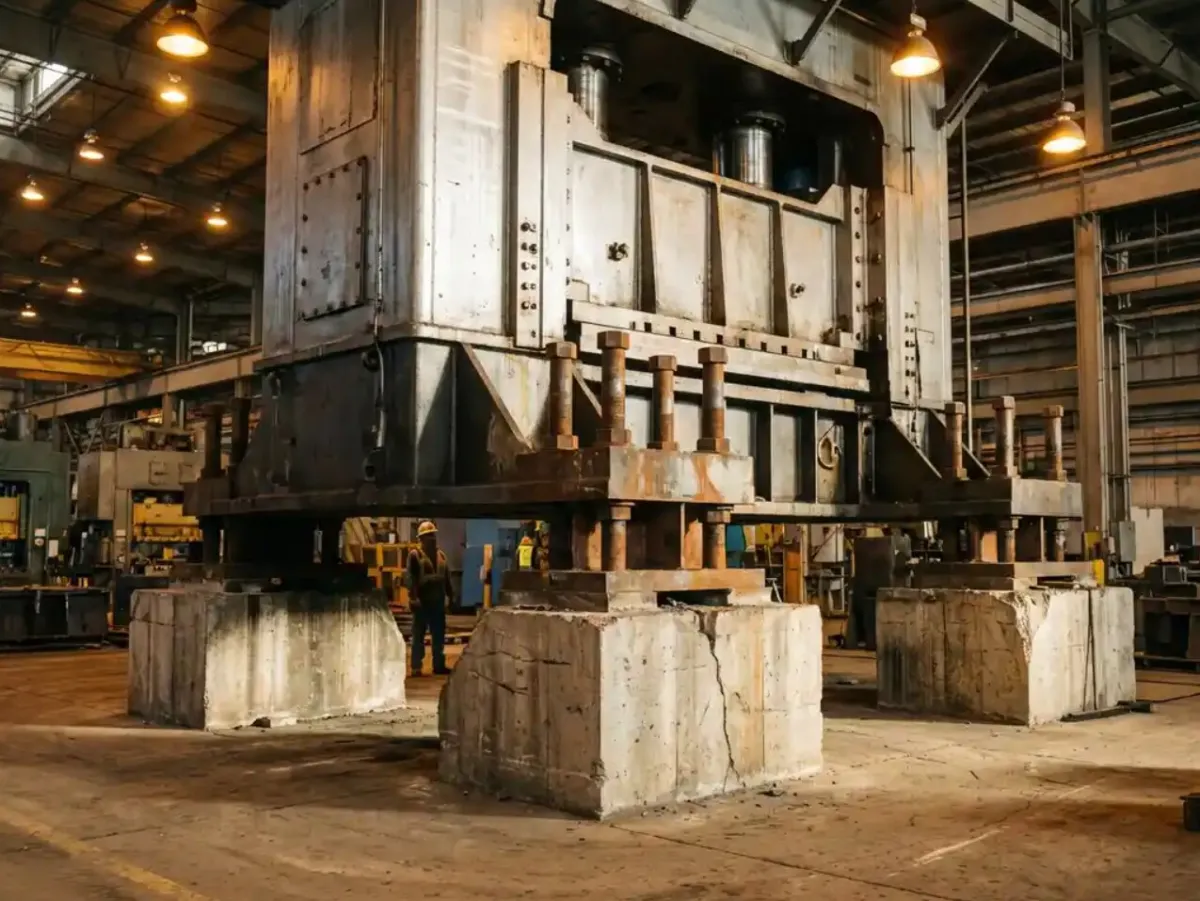
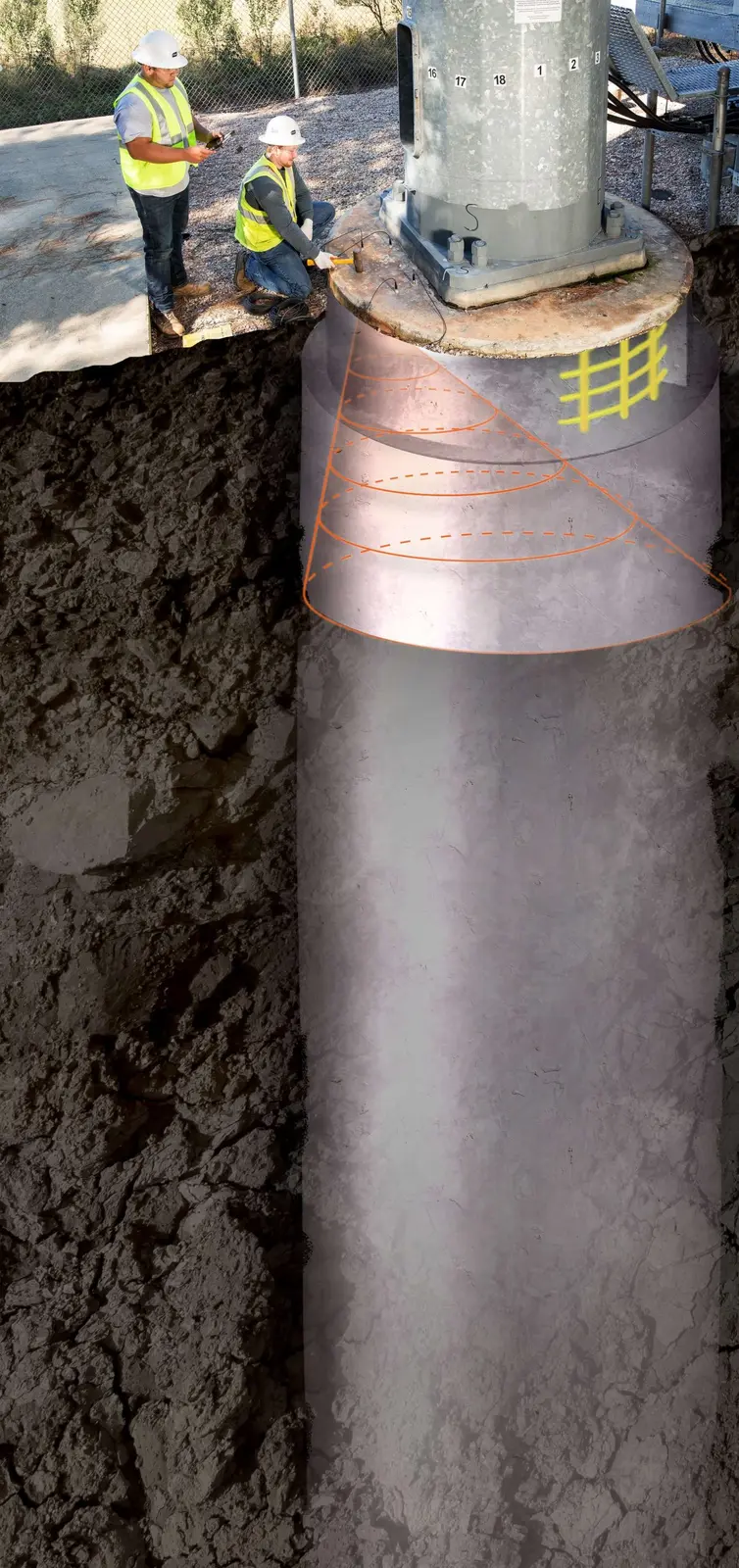
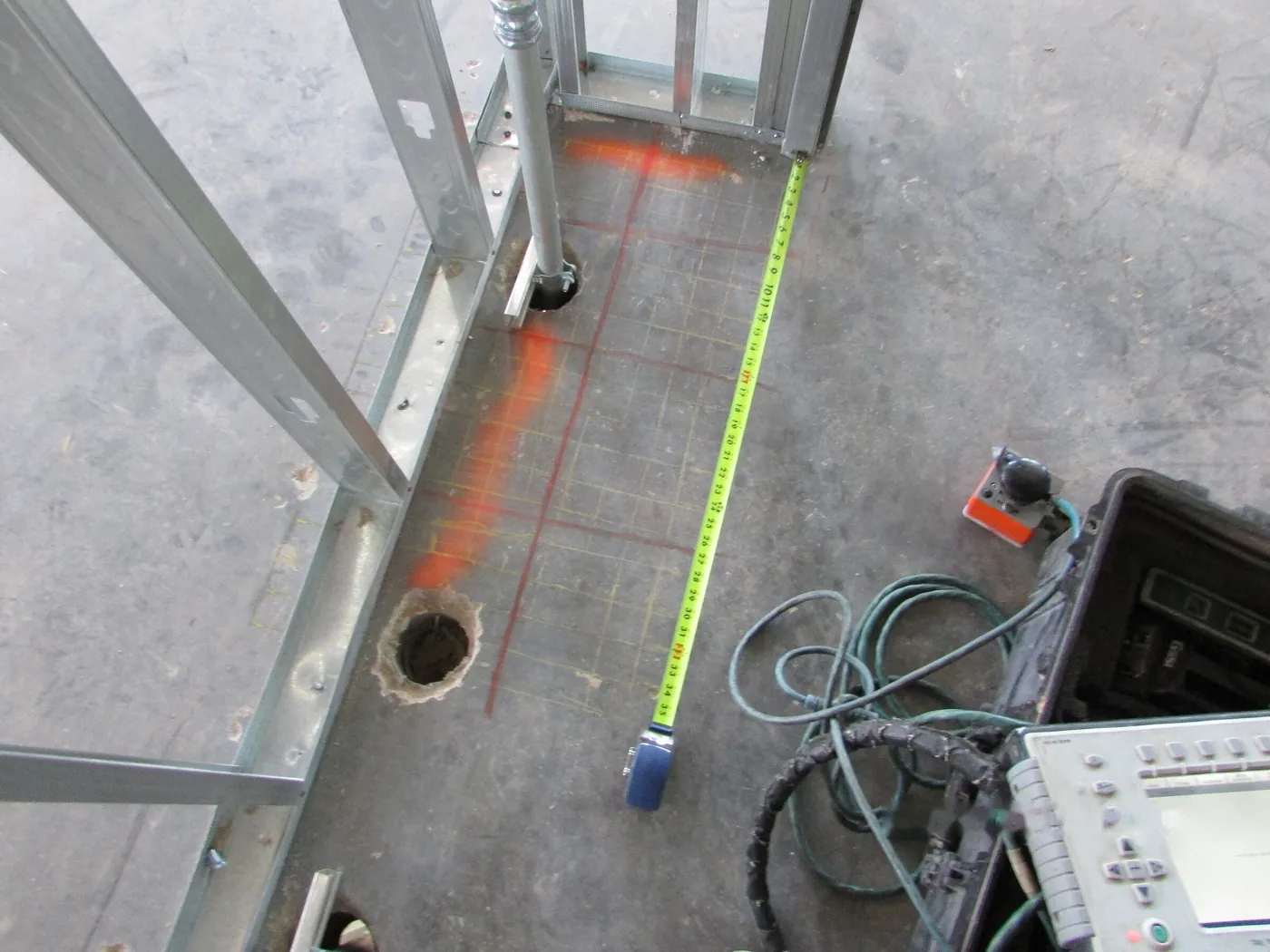
Our cornerstone service is determining the as-built concrete geometry and condition of existing foundations. AAE utilizes a combination of dispersive wave technology, ground-penetrating radar, and other nondestructive testing equipment to determine critical specifications of an as-built foundation. AAE can also provide reinforcing steel details, concrete compressive strength details, and more.
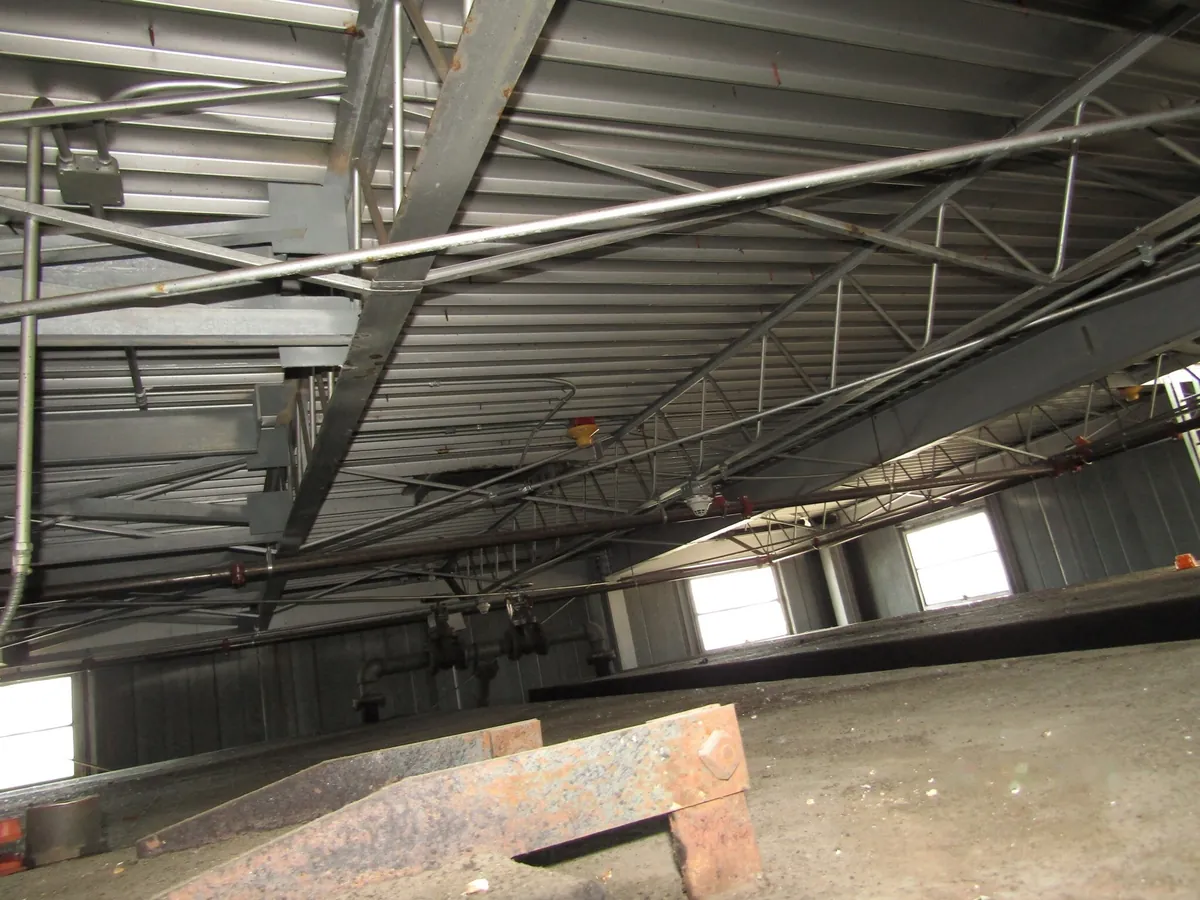
AAE conducts above-grade structure mappings to provide complete or partial structural details suitable for analysis or modification design of telecommunication towers, commercial roof systems, commercial buildings, water towers, and other specialty structures. The details are then assembled into a clear concise series of drawings specific to our clients’ needs.
AAE offers traditional structural analysis and design services for structure types such as telecom and broadcast towers and a variety of foundation types.
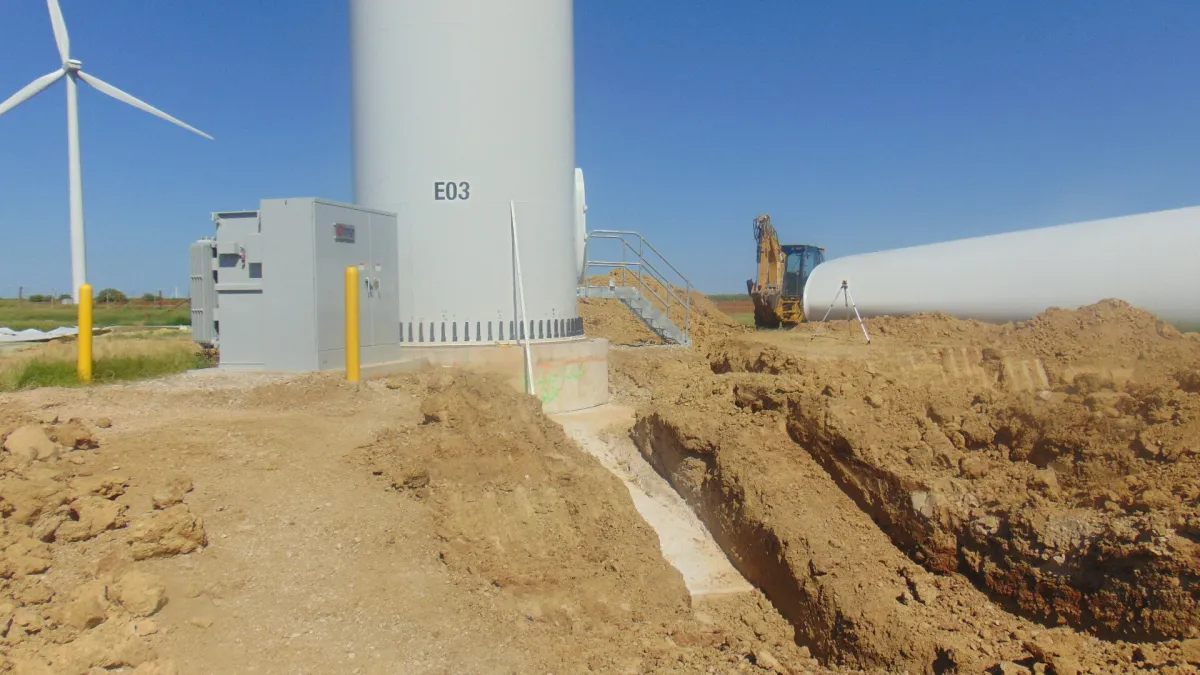
AAE utilizes a combination of dispersive wave testing and hydraulic tensioning equipment to determine the in-situ tension in various types of anchorage in structures such as wind turbines, Tainter gate-style dams, soil anchors, and more. AAE also has the ability to work with numerous rod geometries such as Dywidag, Williams Form, Stress-Steel, and even smooth anchor rods using Howlett grip nuts.
Some of the most difficult foundations to determine the in-situ dimensions of are various configurations of piles (steel, concrete, and timber) and rock anchorage foundations. Utilizing a combination of non-destructive testing techniques, including dispersive wave testing, and traditional investigation techniques, AAE is able to provide details that are often difficult to obtain.
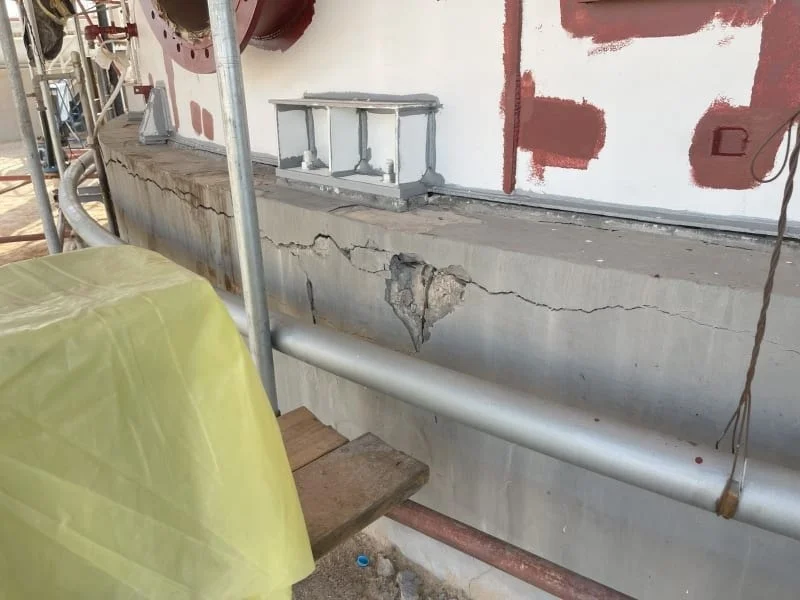
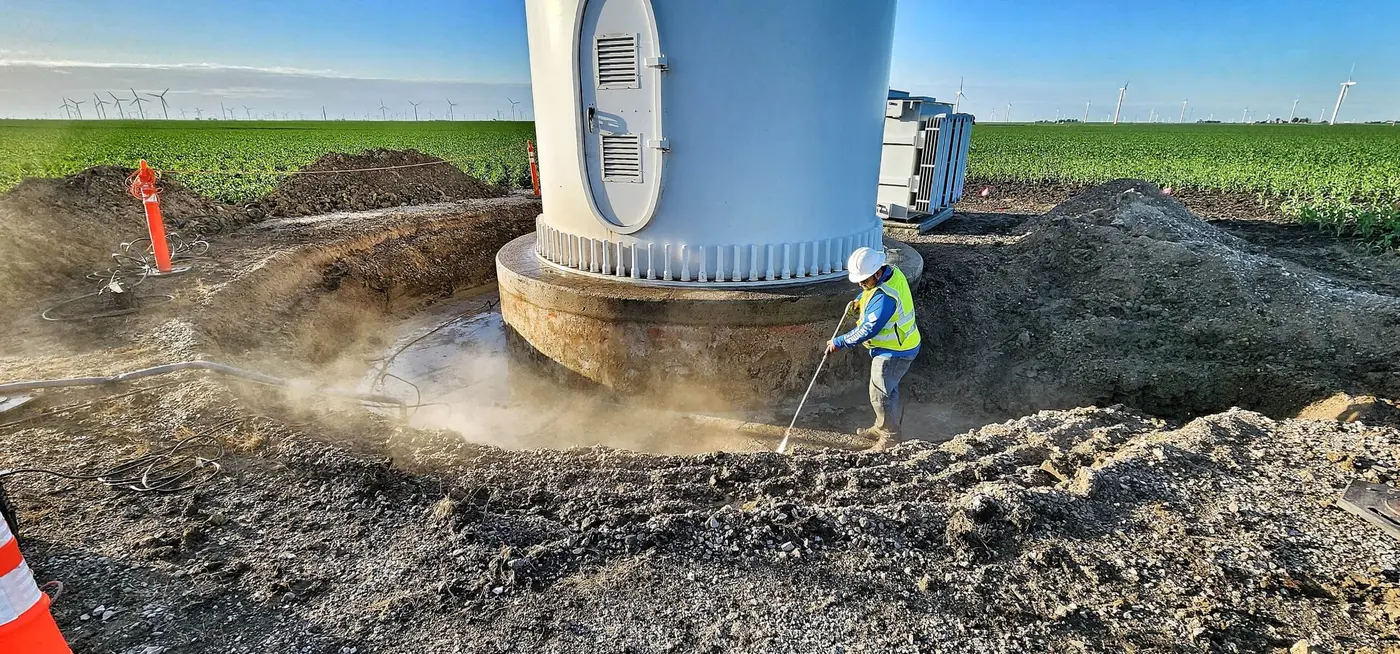
AAE employs dispersive wave testing on numerous types of foundations, including spread footing foundations on wind turbines in order to determine if internal cracking is present as the result of a failure event or fatigue throughout its service life. Our team also offers similar investigations aimed at determining if areas of soil intrusion are present in large caissons/drilled shafts found in unstable soils.
AAE’s approach to foundation investigations is more robust than a simple series of strikes where the user relies on a computer to provide the correct answer in an instant. AAE engineers first verify the foundation type (drilled shaft, pad & pier, pile cap, mat-at-grade, etc.) and lateral geometry through a variety of investigation methods depending on the site conditions we identify. We then utilize a manual approach to the review of the impact-echo data to ensure that the feature we present as the overall depth or thickness of a foundation is consistent throughout data sets. Review of multiple data sets manually also allows us to identify damage, such as soil intrusion in drilled shaft foundations. Finally, AAE employees a dispersive wave test method for below-grade pads/footings that eliminates the need to excavate the footing and measure its thickness directly. This method is extremely valuable in crowded tower compounds, substations, and more.
Yes, we can both determine belled caisson depth and create a relative profile of the shape of the bell to determine if the bell shape is intact or if the bell was partially collapsed during the construction process.
Yes, we have two different approaches to this problem depending on the configuration present at the site.
Not necessarily, but it depends on the engineer, asset owner, or contractor’s tolerance for risk in this area. Asset portfolios should be reviewed with the AAE team to determine which specific structures are most critical, which are subject to higher loading, and other potential risks that a single structure may be subject to. This will help to make an informed decision if investigating a sample set is appropriate and what size the sample set should be.
The more information a client is able to provide on a site the better. We can work with as little as GPS coordinates of the structure to be investigated and access information in some cases; though we welcome information such as design drawings, geotechnical reports, previous structural analysis reports, construction photos, pile driving logs and more.
No, one of our unique offerings is that AAE utilizes dispersive wave testing in such a way that we are able to instrument the pile from its side while the structure (bridge, pier, beach house, etc.) is in service.
We help clients save time, reduce risk, and make confident decisions with precise as-built data and engineering expertise.
© 2025 All Rights Reserved.